Shopify vs. Custom Next.js Storefront: Which Should You Choose?
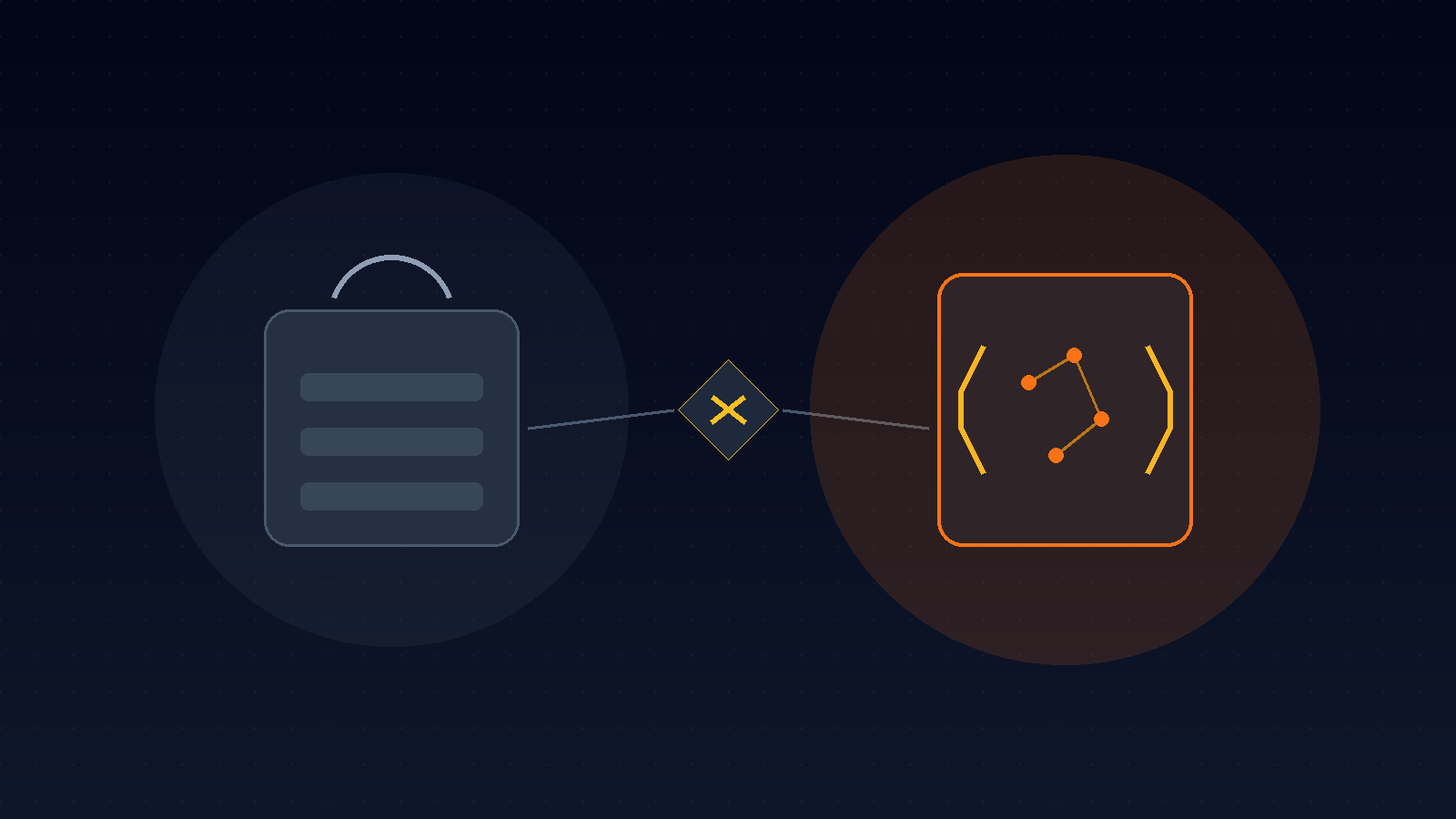
If you're planning an online store, the platform decision usually comes down to two paths: launch fast on Shopify, or build a custom storefront on a framework like Next.js. Both are legitimate choices, but they optimize for different things, and the right answer depends on how much control your business actually needs over the buying experience.
This isn't a "Shopify is bad" argument. Shopify runs a huge share of the world's online stores for good reason. The question worth asking before you commit is narrower: does your store need to look, load, and behave exactly the way you design it, or is a proven template with some customization enough to hit your goals?
What Shopify Gets Right
Shopify's core pitch hasn't changed: hosting, payments, inventory, checkout, and fraud protection are handled for you, and a working store can go live in days using a theme from its marketplace. For a founder validating a product or a small catalog business, that speed-to-market is genuinely valuable — you're renting a mature, well-tested commerce engine instead of building one.
Shopify also owns the checkout flow end-to-end, which matters more than it sounds. Checkout is the highest-stakes page on any storefront, and Shopify's version is battle-tested against fraud, payment failures, and abandoned-cart edge cases that take years to harden against in a homegrown system.
Where Shopify Starts To Limit You
The constraints show up once a store outgrows the theme layer. Liquid (Shopify's templating language) makes deep layout or interaction changes slower than working in a modern component framework, and every theme customization still runs inside Shopify's app and page-speed ceiling — third-party apps in particular are a common source of bloat, each adding its own script tag to every page.
Content modeling is the other friction point. Shopify's product/collection schema is built for commerce, not for editorial or brand storytelling around products. Businesses that want rich landing pages, unusual navigation structures, or tight design-system control often find themselves fighting the platform rather than building on it.
What a Custom Next.js Storefront Actually Means
A custom storefront doesn't mean abandoning commerce infrastructure — it means separating the buying experience from the storefront itself. In practice, this is usually "headless": product data, inventory, and payments still live in a commerce backend (which can even still be Shopify, via its Storefront API or Hydrogen), while the pages customers actually browse are built and rendered with Next.js.
That split gives you full control over layout, animation, page structure, and rendering strategy, while still keeping the parts of commerce that are genuinely hard to build well — payments, tax, fraud detection — in a system designed for them. It's more engineering work up front, and it means owning a codebase instead of a theme.
Is There a Middle Ground?
Shopify's own answer to this tension is Hydrogen, its React-based framework for building custom storefronts on top of Shopify's commerce backend, deployed on Shopify's Oxygen hosting. It's a genuine option worth knowing about: you keep Shopify's admin, inventory, and checkout, while getting more control over the frontend than a theme allows.
The tradeoff is that you're still building inside Shopify's ecosystem and hosting, with its conventions and limits on the backend side. A fully custom Next.js storefront goes further — the commerce backend itself becomes a choice, not a given, which matters if your business needs data models, integrations, or workflows Shopify's schema wasn't built around.
Cost: Not Just the Sticker Price
Shopify's monthly plan fee looks cheap next to a custom build's upfront cost, but that comparison misses ongoing spend. Theme purchases, app subscriptions (search, reviews, upsells, SEO tools), and transaction fees on non-Shopify payment gateways add up over a store's lifetime, often quietly outpacing what a one-time custom build would have cost within a couple of years at meaningful volume.
A custom storefront flips that curve: higher cost to launch, but no recurring app tax, and no ceiling on what you can build without paying a third-party developer for a Shopify app that only half-does what you need.
Performance and Core Web Vitals
This is where the frameworks diverge most visibly. A Next.js storefront can be tuned page-by-page — static generation for catalog and landing pages, streaming for personalized content, image optimization on every product photo — because you control the full render path. Shopify themes are faster than they used to be, but you're still bound by the theme engine and whatever scripts your installed apps inject, which is the single biggest real-world cause of slow Shopify storefronts.
Page speed isn't cosmetic for a store — slow-loading product and checkout pages cost conversions directly, which is why performance tuning is treated as core engineering work, not a post-launch nice-to-have.
SEO and Content Control
Both platforms can rank well, but flexibility differs. A custom storefront gives full control over URL structure, structured data, canonical handling, and internal linking — useful if SEO is a primary acquisition channel rather than an afterthought. Shopify has improved substantially here (native canonical tags, editable robots.txt, decent default markup), but some structural decisions — like collection URL patterns — are harder to override than in a codebase you own outright.
Which Path Fits Which Business
Shopify is the right call for a founder who needs to start selling this month, has a straightforward catalog, and would rather pay a monthly fee than manage infrastructure. A custom Next.js storefront makes more sense once you have a clear brand experience to protect, outgrow what themes and apps can do without duct tape, or treat page speed and SEO as core to how the business grows — not a nice-to-have.
Neither choice is permanent. Plenty of stores start on Shopify to validate demand, then migrate to a custom storefront once volume and design ambitions outgrow the theme layer — a path our Services page covers directly, alongside the migration work needed to make that move without losing rankings or sales continuity along the way. If you're weighing which path fits your store, a short call through our Contact page is usually enough to tell which one actually pays off.
Frequently Asked Questions
Let’s Build Something Great Together
Transform your ideas into a powerful online experience with high-performance web engineering and seamless migrations.